The Gravy You Make Anyway: A Sunday Practice for a Household of One
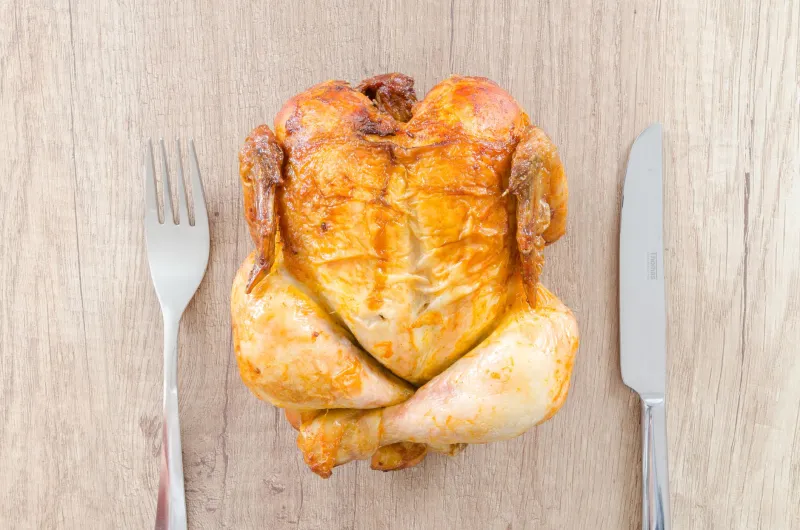
It is Sunday afternoon in November and the light has already given up. You are on your own. The idea of a roast drifts in, soft and old-fashioned, and then the counter-thought arrives right behind it: why bother for just me?
It is a fair question. It is also the question this piece wants to sit with, gently, for a few hundred words. Because cooking a proper Sunday roast for one is not really about the roast. It is about the bother. It is about deciding, on an ordinary weekend, that you are worth the effort even when nobody is coming round to check.
The voice that says why bother
The resistance is rarely dramatic. It sounds practical. A jacket potato would do. There is half a tin of soup in the cupboard. The washing-up for one feels faintly ridiculous when you could just have a sandwich standing up. If you live alone, have recently separated, have been widowed, or are simply on your own for the weekend, you will know the tone. It is not laziness. It is a habit of shrinking care when there is no audience.
We are taught, quietly, that effort is for guests. The good plates come out when someone is visiting. The gravy gets made when there is a table to pass it round. On our own, we economise — not just on money, but on attention. And that is the thing worth noticing. Care does not need a witness to count.
A smaller roast, not a lesser one
This is not a call to spend Sunday trussing a chicken for six and eating leftovers until Wednesday. A pared-back roast is enough. One chicken thigh, or a small joint if you fancy it. Two potatoes. A carrot or two. A couple of greens. A Yorkshire pudding if you have the batter, or a small one made in a mug. The point is not abundance. The point is deliberateness.
You are not catering. You are feeding someone. That distinction matters. Buy the potatoes you actually like. Use the good oil. Salt the skin. Put the oven on and let the kitchen warm up around you. This is a small, grounded ritual — the kind of thing we mean when we talk about everyday wellbeing. It is not a performance. It is maintenance.
The peeling is the practice
Start with the potatoes. Peel them over the bin, or on a board if you prefer. Feel the cold weight of them. Cut them into pieces that will fit in your mouth and on your fork. Parboil them for a few minutes, drain them, then shake them in the colander until the edges roughen. That roughing-up is what makes them crisp. It is also the sort of tiny, unglamorous step that nobody claps for.
Heat the oil in a tin in the oven. Listen to the radio while you wait. Not a podcast you have to concentrate on — something gentle, the kind of Sunday programme that drifts. When the oil is hot, tip the potatoes in carefully. Hear the sizzle. This is the sound of something being taken seriously.
You do not have to do this perfectly. The peel can be uneven. The Yorkshire might come out a bit flat. The point is not the result on a plate for social media. The point is that you stayed in the room with the task. You peeled the potatoes anyway.
The bit where you set the table
Here is the step most of us skip when we are alone: the table. Not a full dinner-party arrangement. Just a proper plate, a glass of water, a napkin if you have one. Maybe a tea light, even in daylight. Maybe the good fork. Sit down. Not on the sofa with a laptop, not standing at the counter. Sit at the table as if someone is expected.
The first time you do it, it may feel absurd. That is allowed. Ritual often feels a bit absurd before it feels normal. A table set for one is a small signal to yourself: I am not an afterthought in my own home. I am the person I am cooking for.
Gravy is the whole argument
If you take one thing from this, make it the gravy. When the meat is resting, put the roasting tin on the hob. Add a spoon of flour, a splash of stock, whatever wine is open, a little water. Stir it over a low heat, scraping the dark bits from the corners. Let it bubble and thicken. Taste it. Add salt if it needs it.
Gravy is the thing people skip for one. It feels extra. It feels like a sauce for a crowd. But making it anyway is the whole argument in miniature: flavour matters even when nobody is clapping. The gravy you make anyway is the quiet centre of this practice. It says that your Sunday lunch deserves to taste of something.
Eating without a screen
Then eat. Slowly, if you can. Notice the crisp edges of the potatoes, the heat of the gravy, the way the greens cut through the richness. You do not have to feel grateful or enlightened. It is just lunch. But it is lunch you made for yourself on purpose, and that changes the texture of the afternoon.
The washing-up can wait ten minutes. Sit for a moment with the plate in front of you. This is not indulgence. It is not a reward for productivity. It is simply the recognition that you are a person who needs feeding, and that feeding yourself well is a form of self-regard.
Care without an audience
There is a particular kind of loneliness that comes from waiting to be worth the effort until someone else is there. The roast for one is not a sad cliché. It is a small refusal to let your own weekend be an afterthought. It is a practice, like a walk or a breath or a lamp left on. It does not fix anything. It does not need to. It just reminds you that care is not a performance.
So on the next grey Sunday, when the voice says why bother for just me, you can answer quietly: because I am here. Peel the potatoes. Make the gravy. Set the table. Sit down. You are worth the bother, even if no one is coming round to check.