Shelter Without a Receipt: The Quiet Spell of a Twenty-Minute Library Visit
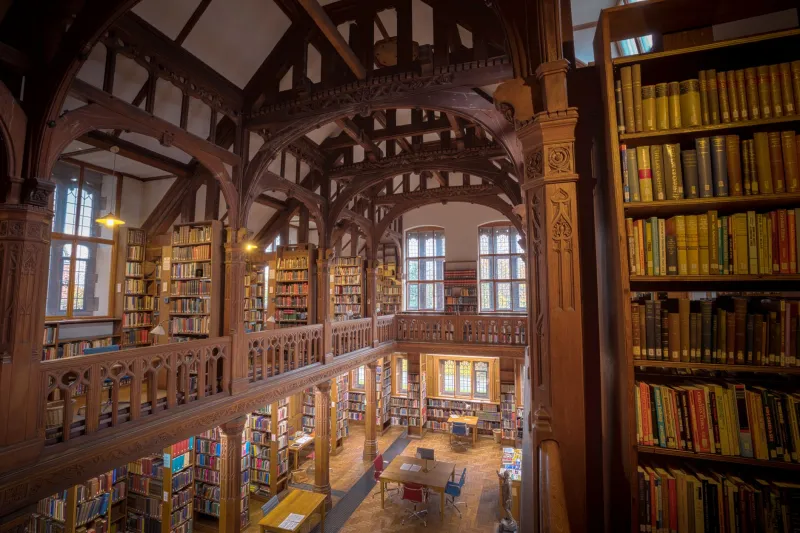
Most of us have a home and a workplace, or a home and a shifting set of places that feel like work. Between them sits the third place: the café, the park bench, the community hall, the swimming pool on a Tuesday morning. These are the rooms where we are neither hosting nor performing. They ask very little of us. And in the UK, one of the most underrated third places is also one of the quietest: the public library.
It is not a spa. It is not a retreat centre. It is a council building with a photocopier and a noticeboard. But walk in on a damp afternoon and something in the body loosens. The air is warm. The noise is soft. Nobody is going to bring you a bill. For twenty minutes, you can be a person among shelves rather than a person with a to-do list.
The Door Does Something
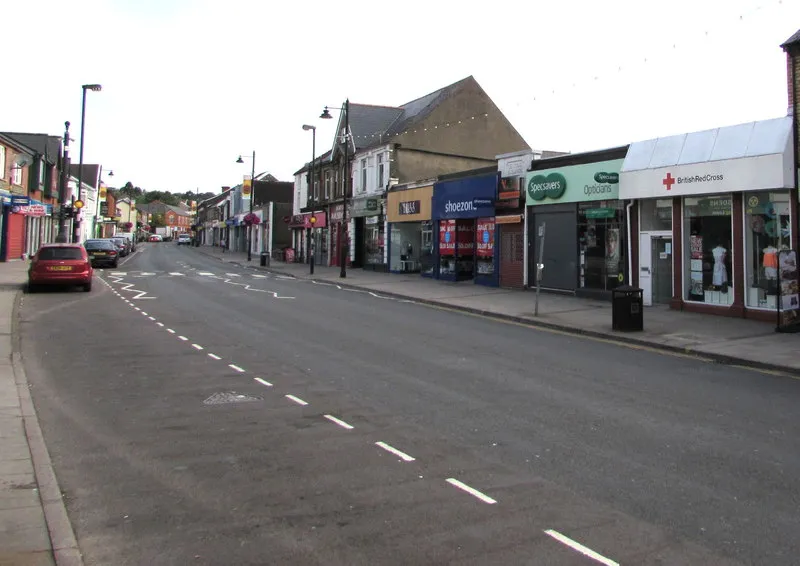
There is a threshold moment at the entrance, if you let it happen. Most of us push through it while still mentally composing an email. But the library door is a useful little hinge. On one side, the high street: traffic, flyers, the pressure to be going somewhere. On the other, a room organised by curiosity rather than urgency.
Try pausing just inside. Not dramatically — you are not a character in a film. Just stand for a breath or two. Notice the change in sound. Notice whether your shoulders have come down half a centimetre. Notice that no one has asked what you are doing there. That pause is the beginning of the practice. It tells your nervous system that this is not another errand.
Nothing to Buy, Nowhere to Be
This is the library's quiet radicalism: you can stay without spending. There is no expectation to order a drink, buy a slice of cake or justify your seat. You can read one magazine and leave. You can sit by the window and look at the rain. You can borrow nothing at all. In a country where so many warm, dry spaces come with a till, that is worth noticing.
It is also worth being honest about. Not every high street still has a library. Some have reduced hours, closed branches or moved into shared buildings. Council budgets have been squeezed, and the result is that a free warm room is not always as easy to find as it should be. That is not a reason to romanticise the situation. It is a reason to use what remains, gently, and to value it while it is there.
If your local library is open, it may also be doing more than lending books. Many run warm-space sessions, coffee mornings, baby groups, digital help and quiet rooms. You do not have to join anything. But it helps to know that the building is holding more than one kind of need.
Three Small Rituals for Twenty Minutes
A library visit does not need to become a project. You are not there to read the whole of British literature or reorganise your life. Twenty minutes is enough. Here are three small ways to make it feel like a pause rather than a task.
1. The threshold breath
Before you look for anything, stop just past the door. Put your bag down if you can. Take one slow breath in through the nose and a slightly longer breath out. Let your eyes settle on something ordinary: the returns trolley, the fiction spine nearest you, the notice about rhyme time. This is not mindfulness as a performance. It is just a moment of arrival. You have crossed from the street into a room that does not need you to be efficient.
2. The one-shelf wander
Instead of heading straight to the desk or the computer, choose a section you did not come for. Local history. Gardening. Poetry. Travel guides for places you may never visit. Let your hand pull out one book with no plan to borrow it. Read a page standing up. Put it back. The point is not to finish anything. The point is to let your attention be led by curiosity rather than obligation. If a sentence catches you, stay with it. If nothing does, move on without guilt.
3. The closing minute
Before you leave, sit down somewhere — a chair by the window, a bench near the newspapers, the step outside if the weather is kind. Name one thing you noticed. A line from a book. The sound of a page turning. The particular green of the lamp on the reference desk. Then let the visit be finished. You do not need to have achieved anything. You came in, you paused, you are going back out. That is the whole ritual.
A Small, Shared Quiet
There is a particular kind of company in a library. It is not social, exactly, but it is not solitary either. You are surrounded by people who are also doing their own small thing: revising, job-hunting, reading the paper, keeping warm, keeping company with a toddler. Nobody is asking you to join in. Nobody is asking you to leave. The room holds all of it without much fuss.
That is why the library can feel like a spiritual practice, even for people who would never use that phrase. It teaches the body a simple lesson: you are allowed to occupy space without earning it. You are allowed to be quiet in public. You are allowed to take up a chair for twenty minutes and then go home.
If you have a library card, take it. If you do not, you can still walk in. Borrow a book or don't. Sit for a while. Let the door do its small work. In a year that asks so much of our attention, a warm room with nothing to sell is not a small thing at all.