Sacred Without a Suitcase: The Quiet Pull of a Local Pilgrimage
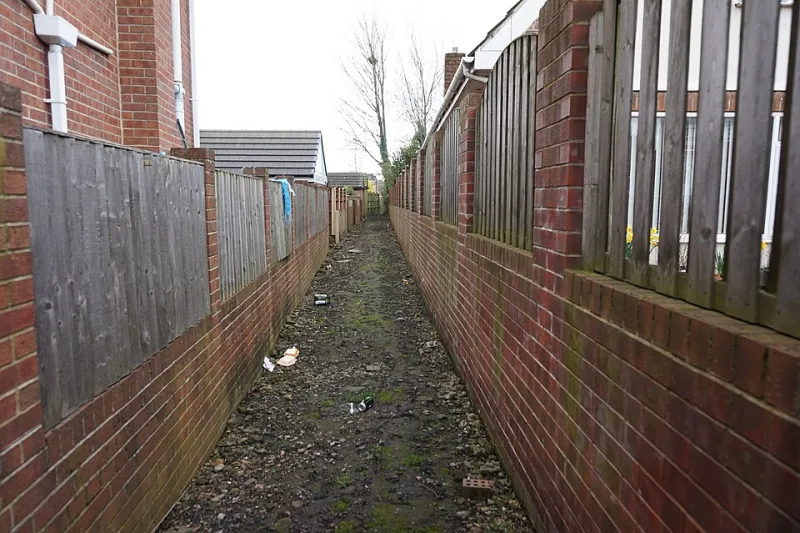
Photo: Ian S , CC BY-SA 2.0, via Wikimedia Commons
Pilgrimage has a reputation for being far away. It brings to mind scallop shells, long flights, months of walking, and a passport full of stamps. But the older idea is simpler: you set out with intention, you walk, and you come back changed by the going. In the UK, that does not have to mean Santiago. It can mean a parish church two bus stops away, a holy well at the end of a muddy lane, or a standing stone you have driven past for years without stopping.
The sacred is closer than the departure lounge
For centuries, people in these islands have walked to local shrines, wells and churches. The route might have been a few miles rather than a few hundred. The point was not the distance. It was the decision to leave ordinary time for a while and travel with attention.
A half-day pilgrimage, or micro-pilgrimage, keeps that idea. You choose a destination within reach. You go on foot or by public transport. You set an intention. You walk in silence for part of it. And you come back by teatime. It is not a lesser version of a big pilgrimage. It is a different scale of the same human impulse.
Choose a destination that is slightly beyond the everyday
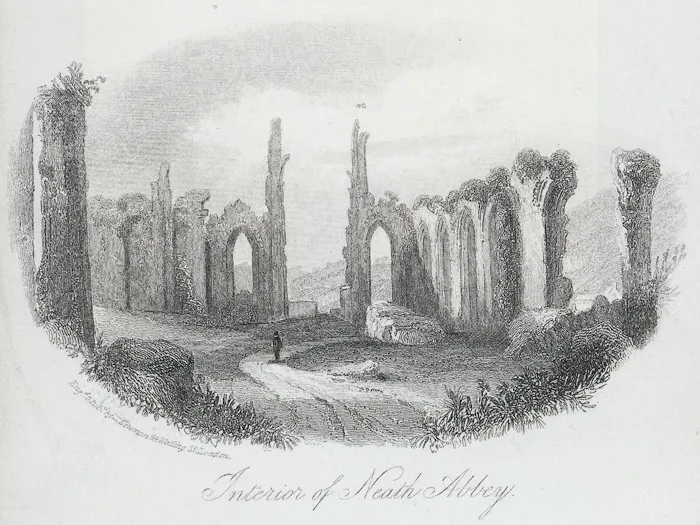
Start with a map and a bit of curiosity. Look for a parish church with a churchyard yew, a holy well, a hillfort, a standing stone, a ruined abbey, or a quiet graveyard. It does not have to be famous. In fact, the less famous the better. You are looking for somewhere that feels a little set apart, where the ordinary rules of the day loosen.
Check access before you go. Some churches are locked outside services, though the churchyard is often open. Footpaths can be muddy or diverted. A holy well may be on private land, so look for public access and do not trespass. If you are in a city, a medieval church tucked between office blocks can work beautifully. The destination does not need to be dramatic. It needs to be real.
Set one intention, not a life plan
Before you leave, decide why you are going. Keep it simple. You might be carrying a question, a name, a worry, or a hope. You might simply want to mark a change: a birthday, a move, a loss, a decision. Write a word or a sentence on a piece of paper and put it in your pocket. You do not have to show anyone.
The intention is not a goal to achieve. You are not trying to solve your life before lunch. You are giving the walk a centre. If you have no belief in anything in particular, curiosity is a perfectly good intention. So is tiredness. So is wanting to see something old and quiet.
Let the journey be part of it
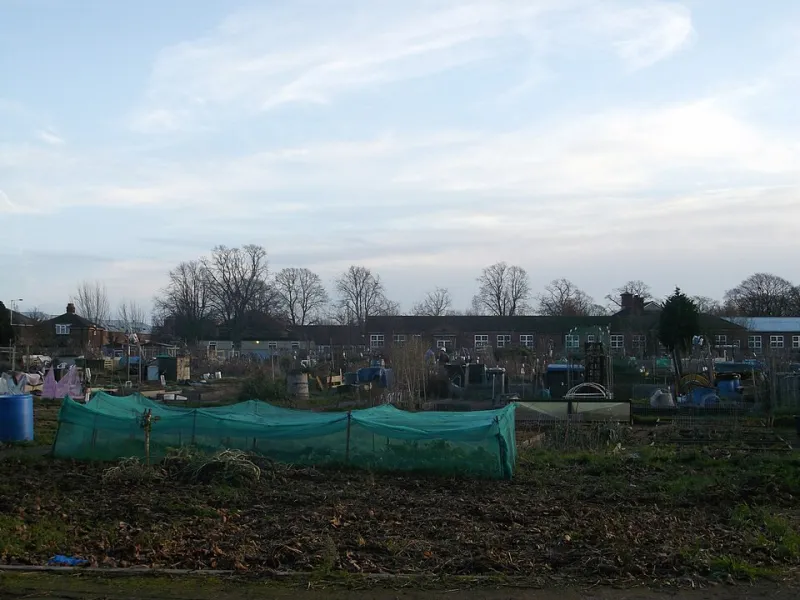
Public transport can be a gift to the half-day pilgrim. A bus window is a moving cloister. You see the backs of houses, allotments, retail parks, and then, suddenly, a field. A train can carry you out of the city while you sit still. If you are walking from home, the first ten minutes are usually noisy with traffic and your own thoughts. Let them be noisy. The silence will come.
Try putting your phone in your bag rather than your hand. Walk for twenty minutes without headphones. Notice your feet on the pavement, then on the path. Notice the weather. Mixed weather is part of the deal in the UK. A waterproof jacket and a flask are more useful than a perfect forecast. If you are walking with someone, agree to ten minutes of silence. It is less awkward than it sounds.
Arrive slowly
When you reach your destination, do not rush to take a photograph and leave. Walk around the churchyard or sit on a bench. Put your hand on the old stone. Read the names on the graves if that feels respectful. Dip your fingers in the well if it is safe and permitted. Say your intention silently, or say nothing at all. Leave the paper in your pocket if there is no obvious place for it. The point is not to litter the sacred with your notes.
Sit for five minutes. Let the walk catch up with you. You may feel nothing spectacular. That is normal. The sacred does not always arrive on cue. Sometimes it is just the quiet fact of having kept a small promise to yourself.
Return before the day closes
The return is part of the pilgrimage. Do not ruin it by sprinting for a train. Check the timetable, yes, but leave a margin. Buy a bun. Look out of the window. Notice what has shifted, even slightly. Maybe the walk has taken the sharp edge off a worry. Maybe it has made you more tired. Both are information.
You do not need to come back enlightened. You just need to come back. A half-day pilgrimage fits into a Saturday, a Sunday, or even a quiet Wednesday afternoon if you can borrow the time. It asks for a waterproof, a snack, some cash for the bus, and a willingness to go a little out of your way. The passport can stay in the drawer. The path is closer than you think.